Description Sideline Stories by ZOOVI

Pages

Thursday, September 5, 2024

Powerlifting at the Paralympics


Powerlifting at the Paralympics: A Testament to Strength and Resilience


Powerlifting has long been celebrated as one of the most physically demanding sports, requiring immense strength, mental fortitude, and impeccable technique. When we think of powerlifting, images of heavy weights and intense concentration often come to mind. However, the realm of powerlifting expands beyond able-bodied athletes, embracing a diverse and inclusive category that celebrates athletes with disabilities—the Powerlifting Paralympics. This article aims to explore the intricacies of powerlifting in the Paralympic structure, the evolution of the sport, and the impact it has on athletes' lives.

The Foundation of Powerlifting in the Paralympics
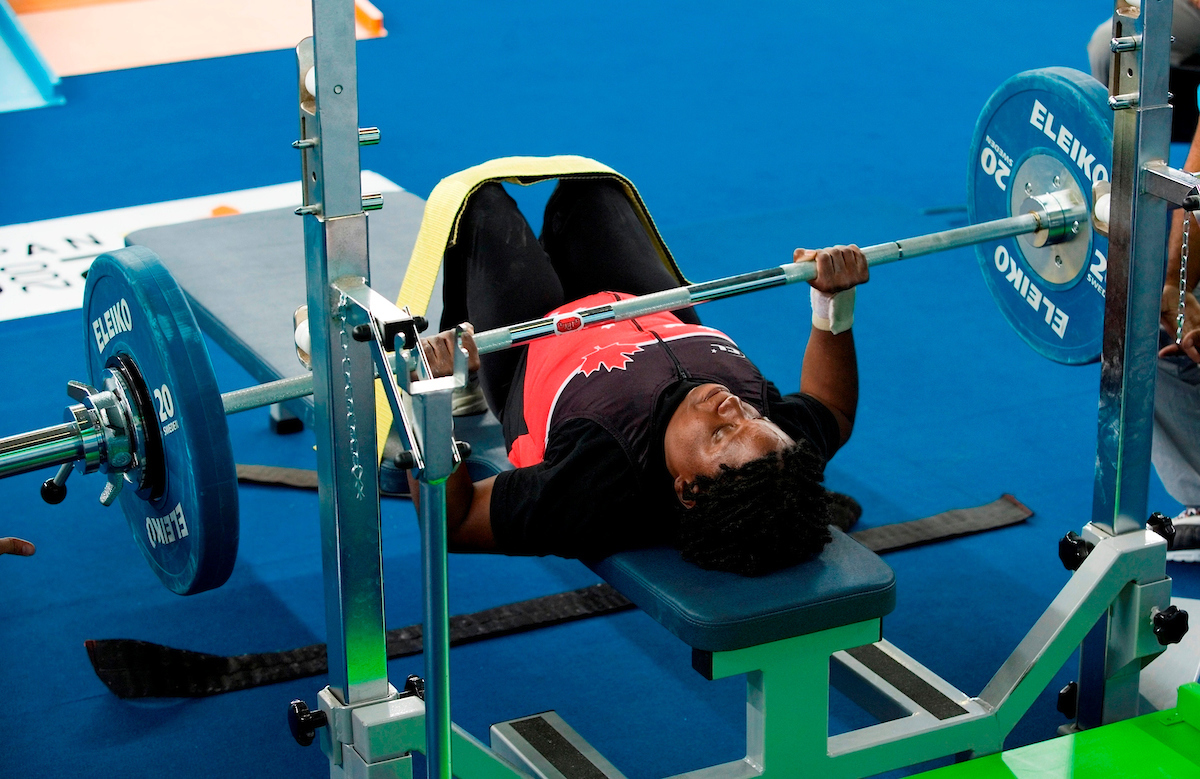


The inception of Paralympic powerlifting can be traced back to the early 1980s when the sport was formally included in the Paralympic Games. The first official inclusion occurred in 1984 at the New York Games, demonstrating a pivotal moment in the realm of adaptive sports. Originally known as "weightlifting for the disabled," it gradually evolved into the powerlifting we recognize today, featuring distinct disciplines and competitive standards.

Paralympic powerlifting showcases athletes competing in the bench press, which is the sole lift contested in this specific division. Unlike conventional powerlifting, which includes the squat and deadlift, the focus on the bench press allows individuals with various disabilities to participate without compromising their safety. Athletes are classified based on their physical capabilities, which allows for fair competition. There are different classifications based on the degree of disability, ensuring that every athlete has an equitable chance to compete at a high level.

The Discipline of Powerlifting

Powerlifting is characterized by its three primary lifts: the squat, bench press, and deadlift. In the context of the Paralympics, however, emphasis is placed solely on the bench press. This approach streamlines the competition for athletes who may have mobility challenges while still effectively showcasing their strength and technique.

Training for powerlifting requires a robust regimen, encompassing strength training, technique refinement, and mental preparation. Paralympic athletes dedicate countless hours to perfecting their form, developing a deep understanding of biomechanical principles that underpin their performance. Many athletes engage with knowledgeable coaches and support staff who are trained to adapt programs effectively to accommodate various disabilities.

The Inclusive Nature of Paralympic Powerlifting


One of the most inspiring aspects of Paralympic powerlifting is its unwavering commitment to inclusivity. The sport is populated by a diverse array of athletes who embody tenacity and spirit in the pursuit of excellence. From those who compete with visual impairments to athletes with impairments in mobility, the spectrum of participants is broad and vibrant.

The inclusion of athletes with various disabilities reinforces the message that strength transcends physical limitations. Through their dedication, these athletes challenge stereotypes and inspire many to reconsider preconceived notions about ability and disability. The athletes serve as role models, demonstrating that with determination and hard work, it is possible to achieve remarkable feats.

The Importance of Representation

Representation in sports is crucial. For athletes with disabilities, seeing individuals like themselves in competitive venues can significantly enhance their drive to succeed. When powerful role models emerge from the realm of Paralympic powerlifting, they send a message of possibility to the next generation of athletes.

The Paralympics provide a platform for athletes to showcase their talents on a global stage. The visibility of competitors excelling within this framework not only inspires aspiring athletes with disabilities but also educates a broader audience about the capabilities and potential of individuals with disabilities. Furthermore, representation fosters a sense of community, where athletes can support one another in their journeys.

The Mental and Emotional Impact
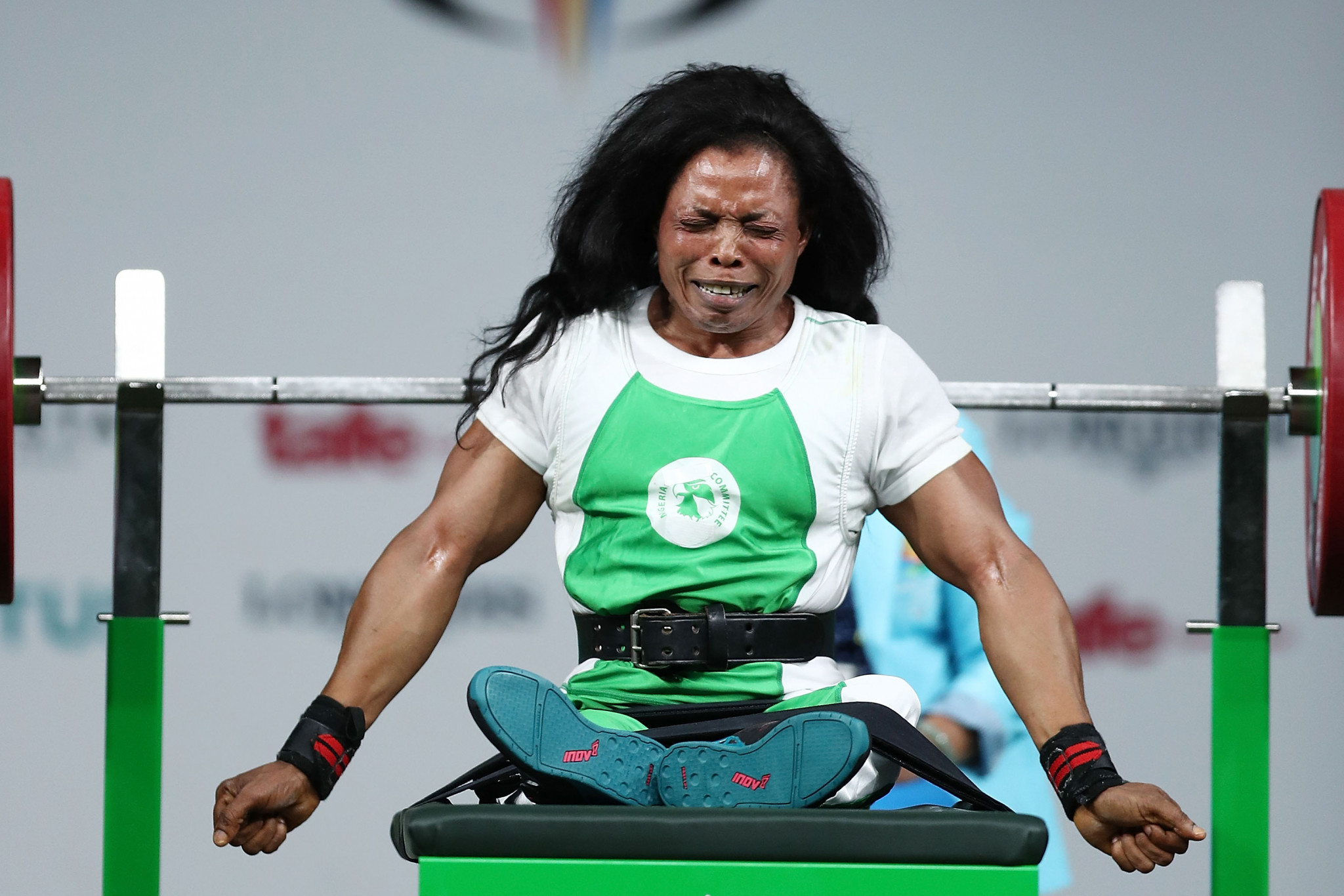

Beyond physical strength, powerlifting instills mental resilience and emotional empowerment in its athletes. The challenges faced by Paralympic powerlifters often extend beyond the competition floor. Many athletes have confronted adversities in their lives, including overcoming societal stigma and personal hurdles.

The process of training and competing in powerlifting cultivates self-discipline, focus, and determination. These qualities resonate not only within the realm of sports but also spill over into the athletes' daily lives. The sense of accomplishment that accompanies setting personal records or achieving competitive milestones fosters an environment of growth and self-acceptance.

Additionally, athletes often engage in advocacy, utilizing their platform to raise awareness about issues related to disability, access to sports, and the importance of inclusion. Their journeys of perseverance and triumph serve to dismantle barriers and inspire societal change.

The Future of Paralympic Powerlifting
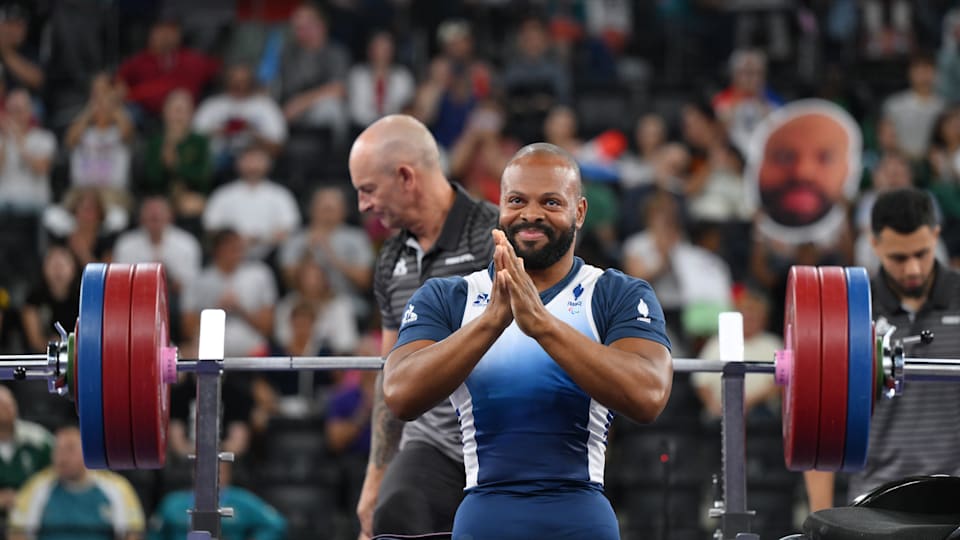

As we look to the future of powerlifting at the Paralympics, several critical issues warrant attention. The growth of the sport relies on continued support from organizations, sponsors, and media coverage. Increased visibility can attract more athletes to the sport, fostering a robust pipeline of competitors who can carry the torch into future competitions.

Moreover, initiatives focusing on accessibility and improved facilities for athletes are essential. Ensuring that powerlifting venues accommodate the diverse needs of Paralympic athletes creates an environment where every participant can thrive. The collaboration between national and international governing bodies, local clubs, and schools can catalyze growth at grassroots levels.

In conclusion, powerlifting at the Paralympics encapsulates much more than physical strength; it embodies resilience, community, and empowerment. As athletes continue to break barriers and redefine the realm of possibility, they inspire countless individuals to embrace their unique journeys. The world of Paralympic powerlifting is a celebration of human spirit, showcasing that strength comes in many forms, and the ability to overcome challenges is a universal trait worth honoring. Through dedication, passion, and commitment, these athletes remind us that true strength lies not only in muscle but also in the heart's unwavering capacity to aspire and achieve.

Wednesday, September 4, 2024

How many medals India won at Paralympics 2024?

At the Paris Paralympics 2024, Indian para-athletes made history by surpassing the previous record of 19 medals set at the Tokyo Paralympics.

 India has delivered its best performance ever at the Paris Paralympics 2024, surpassing the medal count from the Tokyo Paralympics. This achievement is largely due to the outstanding efforts of India's track and field athletes.

 On the sixth day of the event, India's competitors secured five medals—two silver and three bronze—at the prestigious Stade de France, propelling the nation to 19th place in the overall standings. 

  How many medals India won at Paralympics 2024?


India's medal tally at the Paris Paralympics 2024 reached 20—comprising 3 gold, 7 silver, and 10 bronze—surpassing the previous record of 19 medals set at the Tokyo Paralympics three years ago. At the Tokyo Paralympics, India had won 5 gold, 8 silver, and 6 bronze medals.

 Stoke Mandeville/New York 1984 to Paris 2024: 
Full List of India medal winners in Paralympics history


India medal winners at Paralympics history
Athlete Medal Sport Event Games
Sharad Kumar Silver Athletics Men's High Jump - T63 Paris 2024
Ajeet Singh Silver Athletics Men's Javelin Throw - F46 Paris 2024
Mariyappan Thangavelu Bronze Athletics Men's High Jump - T63 Paris 2024
Sundar Singh Gurjar Bronze Athletics Men's Javelin Throw - F46 Paris 2024
Deepthi Jeevanji Bronze Athletics Women's 400m - T20 Paris 2024
Sumit Gold Athletics Men's Javelin Throw- F64 Paris 2024
Suhas Silver Badminton Men's singles SL4 Paris 2024
Thulasimathi MURUGESAN Silver Badminton Women's singles SU5 Paris 2024
Manisha RAMADASS Bronze Badminton Women's Singles SU5 Paris 2024
Nithya Sre SUMATHY SIVAN Bronze Badminton Women's Singles SH6 Paris 2024
India Bronze Archery Mixed Team Compound Open Paris 2024
Nitesh Kumar Gold Badminton Men’s singles SL3 Paris 2024
Yogesh Kathuniya Silver Athletics Men's discus throw F56 Paris 2024
Avani Lekhara Gold Shooting Women's 10m air rifle standing SH1 Paris 2024
Mona Agarwal Bronze Shooting Women's 10m air rifle standing SH1 Paris 2024
Preethi Pal Bronze Athletics Women's 100m T35 Paris 2024
Manish Narwal Silver Shooting Men's 10m air pistol SH1 Paris 2024
Rubina Francis Bronze Shooting Women's 10m Air Pistol SH1 Paris 2024
Preethi Pal Bronze Athletics Women's 200m T35 Paris 2024
Nishad Kumar Silver Athletics Men's high jump T47 Paris 2024
Bhavina Patel Silver Table Tennis Women's singles class 4 Tokyo 2020
Nishad Kumar Silver Athletics Men’s high jump T47 Tokyo 2020
Avani Lekhara Gold Shooting Women's 10m air rifle standing SH1 Tokyo 2020
Devendra Jhajharia Silver Athletics Men's javelin throw F46 Tokyo 2020
Sundar Singh Gurjar Bronze Athletics Men's javelin throw F46 Tokyo 2020
Yogesh Kathuniya Silver Athletics Men's discus throw F56 Tokyo 2020
Sumit Antil Gold Athletics Men's javelin throw F64 Tokyo 2020
Singhraj Adhana Bronze Shooting Men's 10m air pistol SH1 Tokyo 2020
Mariyappan Thangavelu Silver Athletics Men's high jump T42 Tokyo 2020
Sharad Kumar Bronze Athletics Men's high jump T42 Tokyo 2020
Praveen Kumar Silver Athletics Men's high jump T64 Tokyo 2020
Avani Lekhara Bronze Shooting Women's 50m rifle 3 positions SH1 Tokyo 2020
Harvinder Singh Bronze Archery Men's individual recurve - open Tokyo 2020
Manish Narwal Gold Shooting Men's 50m pistol SH1 Tokyo 2020
Singhraj Adhana Silver Shooting Men's 50m pistol SH1 Tokyo 2020
Pramod Bhagat Gold Badminton Men's singles SL3 Tokyo 2020
Manoj Sarkar Bronze Badminton Men's singles SL3 Tokyo 2020
Suhas Yathiraj Silver Badminton Men's singles SL4 Tokyo 2020
Krishna Nagar Gold Badminton Men's singles SH6 Tokyo 2020
Mariyappan Thangavelu Gold Athletics Men's high jump F42 Rio 2016
Varun Singh Bhati Bronze Athletics Men's high jump F42 Rio 2016
Devendra Jhajharia Gold Athletics Men's javelin throw F46 Rio 2016
Deepa Malik Silver Athletics Women's shot put F53 Rio 2016
Girisha N Gowda Silver Athletics Men's high jump F42 London 2012
Devendra Jhajharia Gold Athletics Men's javelin throw F44/ 46 Athens 2004
Rajinder Singh Rahelu Bronze Powerlifting Men's 56 kg Athens 2004
Bhimrao Kesarkar Silver Athletics Men's javelin throw L6 Stoke Mandeville/New York 1984
Joginder Singh Bedi Bronze Athletics Men's javelin throw L6 Stoke Mandeville/New York 1984
Joginder Singh Bedi Silver Athletics Men's shot put L6 Stoke Mandeville/New York 1984
Joginder Singh Bedi Bronze Athletics Men's discus throw L6 Stoke Mandeville/New York 1984
Murlikant Petkar Gold Swimming Men's 50m freestyle 3 Heidelberg 1972


How did India's javelin throwers continue to superb show at Paralympics 2024?


India's javelin throwers maintained their dominance, with Ajeet Singh and world record holder Sundar Singh Gurjar winning silver and bronze, respectively, in the F46 category. Ajeet Singh threw 65.62m, while Gurjar registered a 64.96m throw.

The F46 category is designated for athletes with moderate movement impairment in one or both arms or the absence of limbs.
Impressive performances by India's high jumpers
In the T63 high jump finals, Sharad Kumar and Tokyo Paralympics gold medallist Mariyappan Thangavelu won silver and bronze with jumps of 1.88m and 1.85m, respectively.
The T63 category includes athletes with moderate movement impairment in one leg or those with limbs absent above the knee.
Deepthi Jeevanji's remarkable Bronze in the 400m (T20) event
World champion sprinter Deepthi Jeevanji added another bronze to India’s tally in the women's 400m (T20) event. The 20-year-old, competing in her first Paralympics, clocked 55.82 seconds, finishing behind Ukraine's Yuliia Shuliar (55.16 seconds) and Turkey's world record holder Aysel Onder (55.23 seconds).
Who is Deepthi Jeevanji?
Deepthi Jeevanji, the daughter of farm labourers from Kalleda Village in Telangana's Warangal district, was diagnosed with intellectual impairment. She was discovered by one of her teachers at a school athletics meet. Despite facing societal taunts due to her condition, her village now celebrates her success.
Jeevanji won gold at the Asian Para Games last year and broke the world record at the Para World Championships in May this year, securing another gold. She has been supported by national badminton coach Pullela Gopichand, after starting her training under Nagpuri Ramesh.
The T20 category is designated for athletes with intellectual impairment.
Paralympics 2024 medal tally and India's position on the medal table. 
Paralympics 2024 medal tally
Rank Team Gold Silver Bronze Total
1 China 53 40 22 115
2 Great Britain 30 18 13 61
3 United States 20 22 11 53
4 Brazil 14 11 23 48
5 France 11 12 15 38
6 Italy 10 8 17 35
7 Ukraine 9 15 21 45
8 Australia 9 9 14 32
9 Netherlands 9 5 4 18
10 Uzbekistan 6 4 4 14
11 Spain 5 7 13 25
12 Japan 5 6 8 19
13 Switzerland 5 2 2 9
14 South Korea 4 7 8 19
15 Germany 4 5 10 19
16 Thailand 4 4 6 14
17 Colombia 4 4 5 13
18 Israel 4 1 2 7
19 India 3 7 10 20
20 Poland 3 3 4 10
21 Slovakia 3 2 0 5
22 Azerbaijan 3 1 1 5
23 Cuba 3 1 0 4
24 Iran 2 7 3 12
25 Turkey 2 6 3 11
26 Canada 2 4 7 13
27 Hong Kong, China 2 3 1 6
28 Tunisia 2 3 0 5
29 Ethiopia 2 1 0 3
29 Latvia 2 1 0 3
29 Singapore 2 1 0 3
32 Argentina 2 0 5 7
33 Algeria 2 0 2 4
34 Portugal 2 0 1 3
35 Indonesia 1 6 5 12
36 Greece 1 3 5 9
36 Mexico 1 3 5 9
38 Czechia 1 3 2 6
38 Denmark 1 3 2 6
40 Norway 1 2 3 6
41 Mongolia 1 2 0 3
42 Belgium 1 1 1 3
42 Malaysia 1 1 1 3
44 Hungary 1 1 0 2
44 Venezuela 1 1 0 2
46 Georgia 1 0 2 3
47 Ecuador 1 0 1 2
47 South Africa 1 0 1 2
49 Bulgaria 1 0 0 1
49 Costa Rica 1 0 0 1
49 Namibia 1 0 0 1
49 Peru 1 0 0 1
49 Slovenia 1 0 0 1
54 New Zealand 0 3 2 5
55 Morocco 0 2 4 6
56 Ireland 0 2 2 4
56 Chinese Taipei 0 2 2 4
58 Serbia 0 2 1 3
59 Austria 0 1 1 2
60 Cyprus 0 1 0 1
60 Finland 0 1 0 1
60 Kazakhstan 0 1 0 1
60 Kenya 0 1 0 1
60 Sri Lanka 0 1 0 1
65 Chile 0 0 3 3
66 Refugee Paralympic Team 0 0 2 2
67 Iraq 0 0 1 1
67 Kuwait 0 0 1 1
67 Montenegro 0 0 1 1
67 Mauritius 0 0 1 1
67 Nepal 0 0 1 1
67 Nigeria 0 0 1 1

Monday, September 2, 2024

The 16-driver field for the NASCAR Playoffs has been finalized.

Chase Briscoe raced his way into the playoff field with a victory in the final regular-season race of the year in Darlington.

Chase Briscoe, driver of the (14) HighPoint.com Ford, Ross Chastain, driver of the (1) Busch Retro Chevrolet, and Kyle Larson, driver of the (5) HendrickCars.com Chevrolet, race during the NASCAR Cup Series Cook Out Southern 500 at Darlington Raceway in Darlington, South Carolina, on Sept. 1, 2024.

Chase Briscoe secured his spot in the NASCAR playoff field with a victory at the Cook Out Southern 500 at Darlington Raceway on September 1, during the final regular-season race of the year.

This marked Briscoe’s first Cup win since his triumph at Phoenix Raceway in March 2022. The victory was crucial for Briscoe to earn his place in the NASCAR playoffs, which feature a field of 16 drivers.

Kyle Busch, a two-time Cup Series champion and the 2009 NASCAR Nationwide Series champion, also needed a win at Darlington. He made a late push to challenge Briscoe, but Briscoe managed to maintain his lead, finishing strong to take the checkered flag.


“For all 320 employees, everybody, to be able to race for a championship in their final year, man, unbelievable,” Briscoe remarked after the race. “This group, the day we found out the team wasn’t going to exist anymore, we went to the shop floor, looked at each other, and said, ‘We’re in this till the end. We’re not giving up.’ We kept saying all week we had one bullet left in the chamber, and that bullet hit.”

Joe Gibbs Racing drivers Ty Gibbs and Martin Truex Jr. also secured playoff spots on the final day. Truex, 44, plans to retire after this NASCAR season, capping an 18-year career with 34 Cup Series victories.


Meanwhile, Chris Buescher, Bubba Wallace, and Ross Chastain needed a win at Darlington to qualify for the playoffs but fell short.

“We weren’t good enough, simple as that; last two-thirds of the race I said I hope the 11 [Denny Hamlin] and 5 [Kyle Larson] stay up there because the 14 (Briscoe) is fast,” Wallace said after the Darlington race.
Tyler Reddick clinched the 2024 NASCAR Cup Series Regular Season Championship, the first of his career.

Chase Briscoe drove his way into the NASCAR playoff field with a victory at the final regular-season race of the year at the Cook Out Southern 500 at Darlington Raceway on Sept. 1.


It was Briscoe’s first Cup victory since winning at Phoenix Raceway in March 2022. Briscoe needed the win to earn a spot in the NASCAR playoffs, which will include 16 drivers.

Kyle Busch, the 2009 NASCAR Nationwide Series champion and the 2015 and 2019 Cup Series champion, also needed a win at Darlington Briscoe and made a late move to challenge Briscoe. However, Briscoe was able to get wide, finish strong, and earn the checkered flag.


“For all 320 employees, everybody, to be able to race for a championship in their final year, man, unbelievable,” Briscoe said after the race. “This group, the day that we found out that the team wasn’t going to exist anymore, we went over to the shop floor, we all looked at each other and said, ‘We’re in this till the end. We’re not going to give this up.' We kept saying all week we got one bullet left in the chamber. That bullet hit.”
Joe Gibbs Racing drivers Ty Gibbs and Martin Truex Jr. also clinched playoff spots on the final day. Truex, 44, plans to retire after this NASCAR season after an 18-year career and 34 career victories in the Cup Series.

Chris Buescher, Bubba Wallace, and Ross Chastain needed a victory at Darlington to qualify for the playoffs but came up short.


“We weren’t good enough, simple as that; last two-thirds of the race I said I hope the 11 [Denny Hamlin] and 5 [Kyle Larson] stay up there because the 14 (Briscoe) is fast,” Wallace said after the Darlington race.
Tyler Reddick clinched the 2024 NASCAR Cup Series Regular Season Championship, the first of his career.


Reddick, who drives the No. 45 23XI Racing Toyota, won races at Talladega Superspeedway and Michigan International Speedway this season. He had 11 top-five finishes and 18 top-10 finishes.


“Yeah, it’s just a testament to all the hard work that everyone at 23XI, here at the race track, week in and week out, back at Airspeed, puts into this,” Reddick said after the Darlington race. “We’re on year four of their goals, right? It’s just been really, really fun the last two years to be a part of this process, building up to where we want to be.”

On Aug. 24, Burton qualified for the playoffs after winning the Coke Zero Sugar 400 at Daytona. Entering the race, Burton was not among the top 20 in points, but now he can win a title. The playoffs begin on Sept. 8, at the Quaker State 400 at the Atlanta Motor Speedway. There will be three rounds of 16 before the field is pared to 12 for three rounds.


The NASCAR Cup Series Championship is scheduled for Nov. 10 at the Phoenix Raceway at 3 p.m. ET. Larson is the favorite to win the title, followed by Hamlin, Reddick, and Blaney.

The 2024 NASCAR Cup Series Playoffs field consists of:

1. Kyle Larson, No. 5 Hendrick Motorsports Chevrolet: 2,040 points

2. Christopher Bell, No. 20 Joe Gibbs Racing Toyota: 2,032 points

3. Tyler Reddick, No. 45 23XI Racing Toyota: 2,028 points

4. William Byron, No. 24 Hendrick Motorsports Chevrolet: 2,022 points

5. Ryan Blaney, No. 12 Team Penske Ford: 2,018 points

6. Denny Hamlin, No. 11 Joe Gibbs Racing Toyota: 2,015 points

7. Chase Elliott, No. 9 Hendrick Motorsports Chevrolet: 2,014 points

8. Brad Keselowski, No. 6 RFK Racing Ford: 2,008 points

9. Joey Logano, No. 22 Team Penske Ford: 2,007 points

10. Austin Cindric, No. 2 Team Penske Ford: 2,007 points

11. Daniel Suárez, No. 99 Trackhouse Racing Chevrolet: 2,006 points

12. Alex Bowman, No. 48 Hendrick Motorsports Chevrolet: 2,005 points

13. Chase Briscoe, No. 14 Stewart-Haas Racing Ford: 2,005 points

14. Harrison Burton, No. 21 Wood Brothers Racing Ford: 2,005 points

15. Ty Gibbs, No. 54 Joe Gibbs Racing Toyota: 2,004 points

16. Martin Truex Jr., No. 19 Joe Gibbs Racing Toyota: 2,004 points